
The Origin of NeuroHue
When Everyday Progress
Outpaced the Tools
to See It
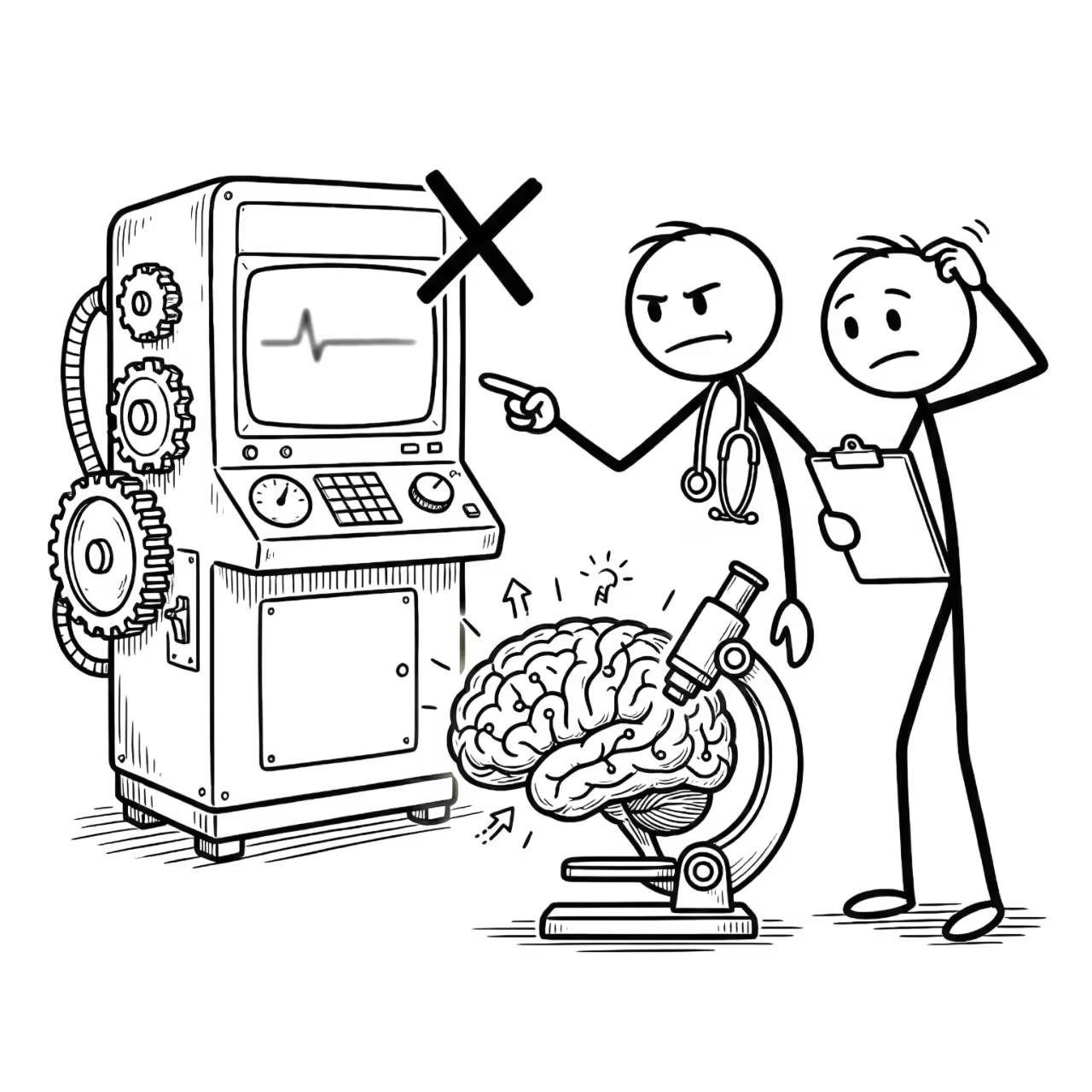
Born from a doctor and therapist who saw children progress clearly, between sessions, while existing tools captured only snapshots—revealing a gap between development and the systems used to follow it.
Discover how we support your practice
THE ORIGIN
The Progress Was Clear.
The Picture Was Blurry.
This wasn’t just academic theory. It was a tangible, persistent observation—the kind that leaves no room to look away or ignore it.
Adaptive Patterns
The doctor recognised subtle shifts in behaviour and skill that aligned with established principles of how children develop and adapt.
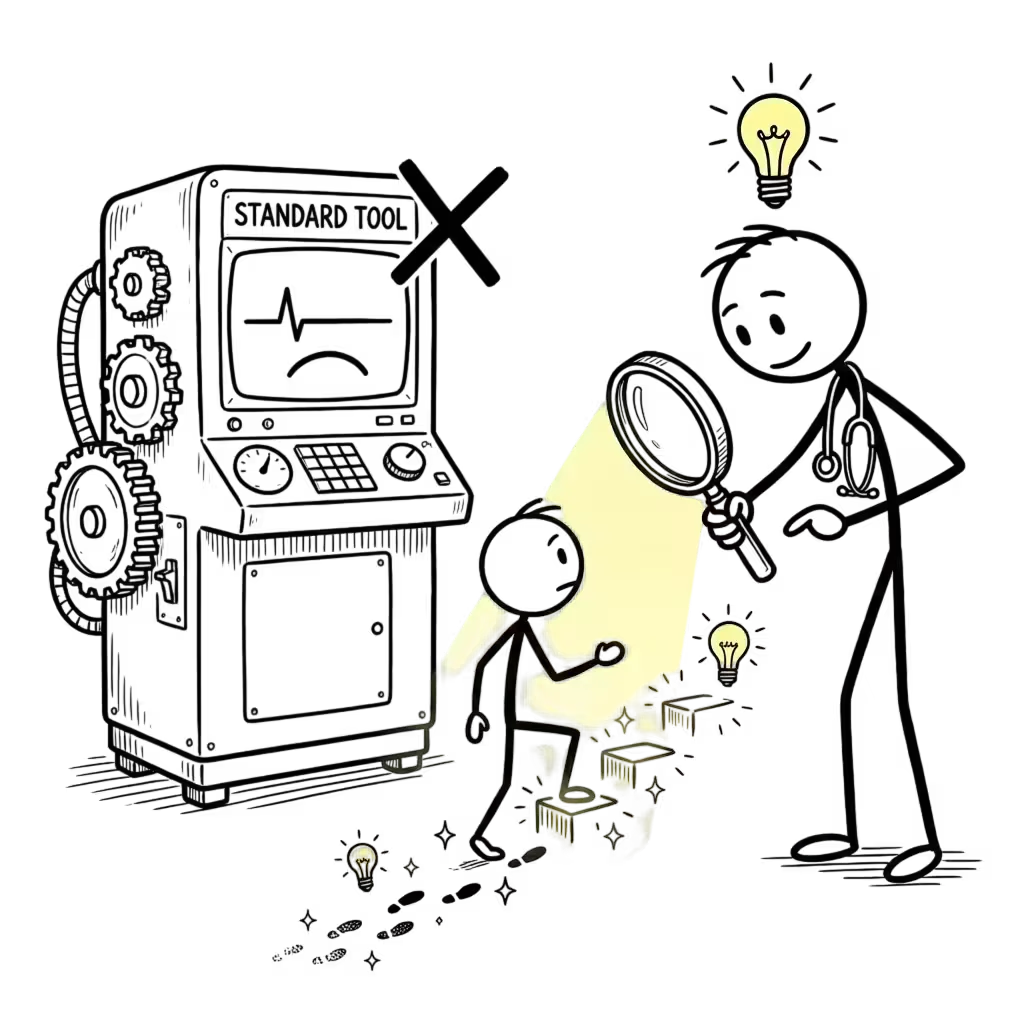
Moments of Insight
The therapist recognised small but meaningful steps in progress that existing tools weren't designed to capture between sessions.
The Resolution Gap
Neither questioned their profession. They saw room to add to their instruments. "If we can see these changes day to day, the clinicians guiding them should be able to as well."
THE ARCHITECTURE
The Architecture Takes
Form
We weren't just building tools; we were engineering foundational structures. It was about achieving a level of clarity that felt less like a feature and more like a necessary standard.
Foundational Interpretive Systems
Their early frameworks were never designed as simple tools; they were foundational structures—interpretive systems grounded in developmental science, refined with probabilistic reasoning, and engineered with modern AI methods to reveal deep structure within complexity.
Resolution Over Automation
We moved beyond standard automation, prediction, or replication to achieve something more useful: resolution. It offers a level of clarity that feels less like a product feature and more like a necessary standard.
Patent-Pending Architecture
As the underlying methods matured, they were formalised and protected—filed and set apart from imitation. The architecture moved from abstract idea to protected, patent-pending intellectual property.
Foundational Interpretive Systems
Their early frameworks were never designed as simple tools; they were foundational structures—interpretive systems grounded in developmental science, refined with probabilistic reasoning, and engineered with modern AI methods to reveal deep structure within complexity.
Resolution Over Automation
We moved beyond standard automation, prediction, or replication to achieve something more useful: resolution. It offers a level of clarity that feels less like a product feature and more like a necessary standard.
Patent-Pending Architecture
As the underlying methods matured, they were formalised and protected—filed and set apart from imitation. The architecture moved from abstract idea to protected, patent-pending intellectual property.
THE INFLECTION
Clarity Beyond Institutions
We refused to accept the divide. Research-informed clarity should not be confined to the lab while the actual work of human development takes place in the therapy room.
They were simply unwilling to accept that this kind of clarity should remain locked behind academic walls while real, meaningful human progress happened every day in private practice rooms.
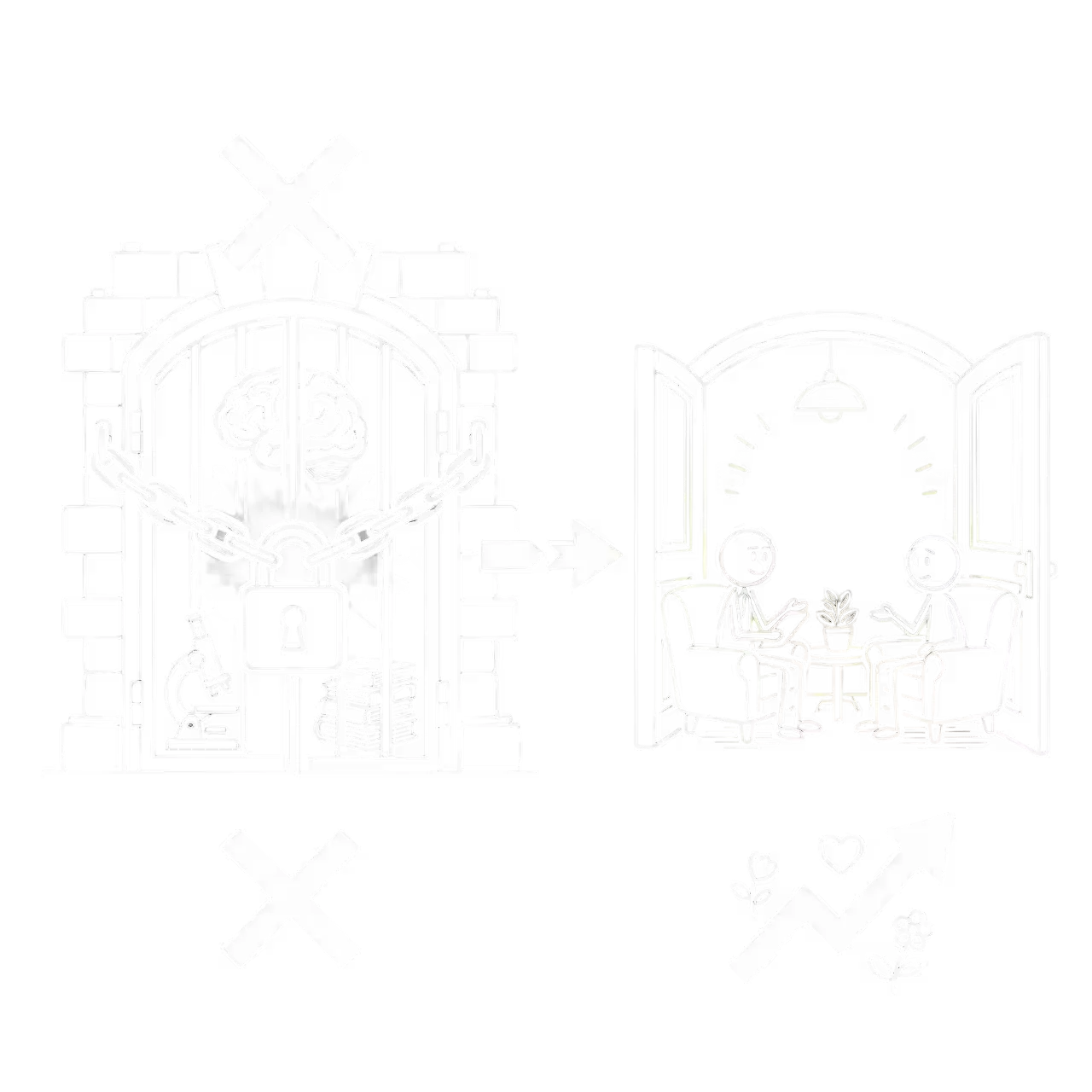
Clarity like this should not belong exclusively to research institutions. They weren't aiming to democratize neuroscience, but to ensure that rigorous, research-informed interpretation was accessible where it mattered most.
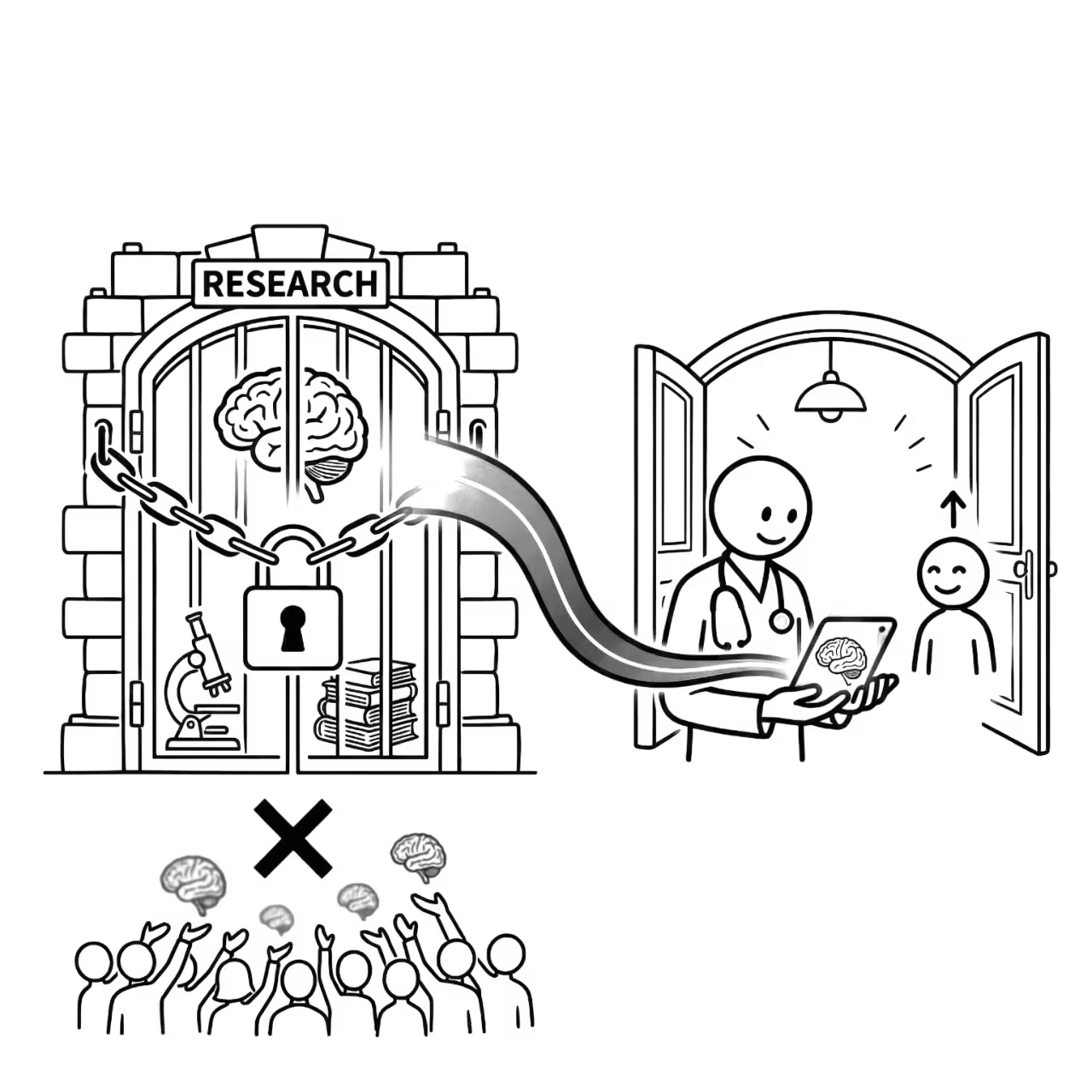
The intent was simple: to take the rigour of a research-informed interpretation and place it directly, seamlessly, and effectively into the hands of practicing clinicians.
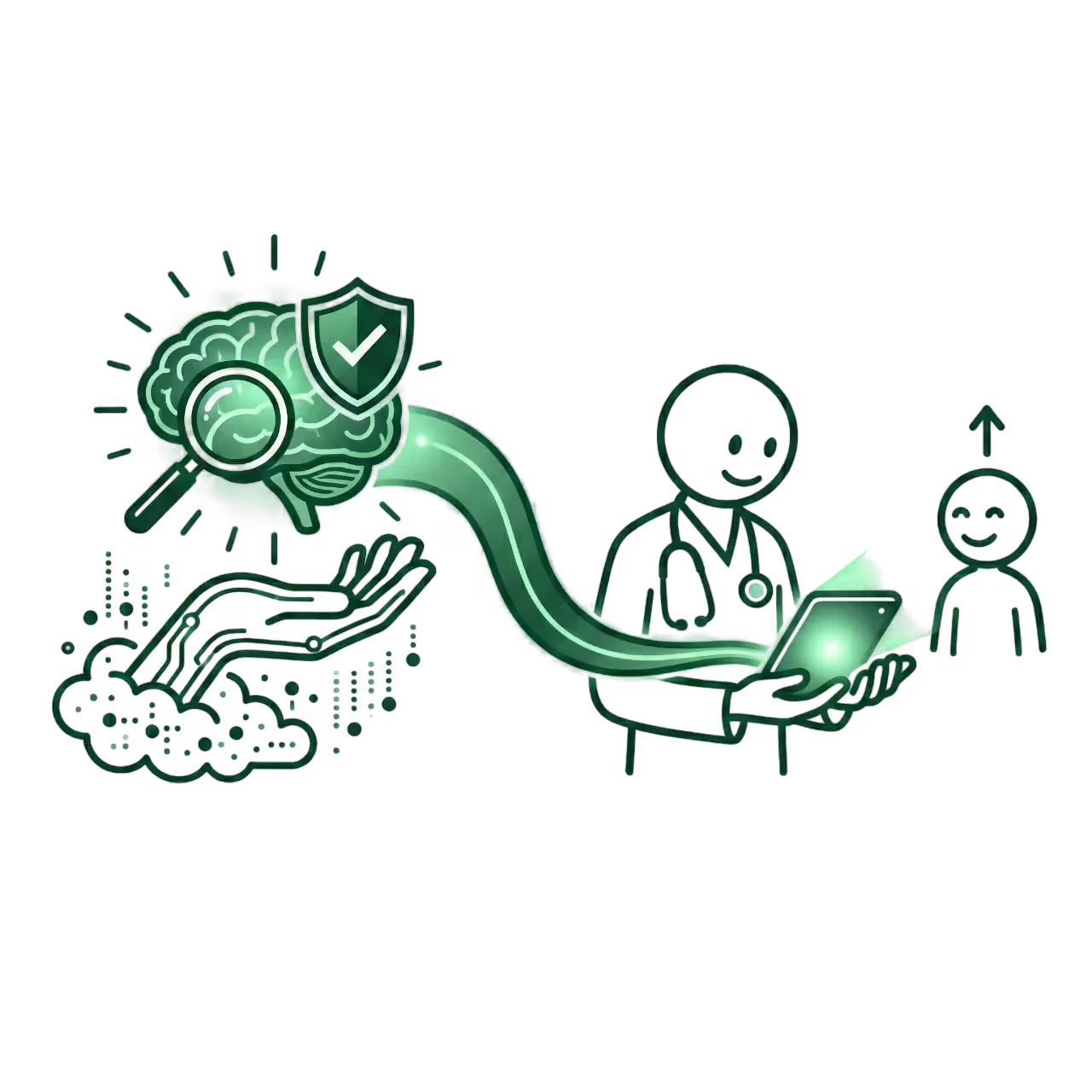
We achieved this not with guesswork, but with a new kind of interpretive architecture.
Doctors
Recognised adaptive clinical patterns before tools existed to follow them.
Therapists
Observed meaningful progress across moments traditional systems weren't built to capture.
Scientists
Sought measurement models aligned with how children actually develop.
Engineers
Built systems capable of capturing adaptive change with consistency.
What NeuroHue Is Now
Not The Next Tool.
The Next Class.
The OriginNeuroHue began when a doctor and a therapist refused to accept the limits of old systems — and built a patent-pending architecture that gives every clinician the clarity once found mainly in research settings.
A new field didn’t emerge.
It was engineered.
The Threshold
This is where the field
moves forward.
NeuroHue stands as a patent-pending architecture that brings clarity, depth, and computational insight into the daily hands of clinicians and therapists.
Developmental clarity
Research-informed interpretive depth
Modern computational insight